Invited Lecture
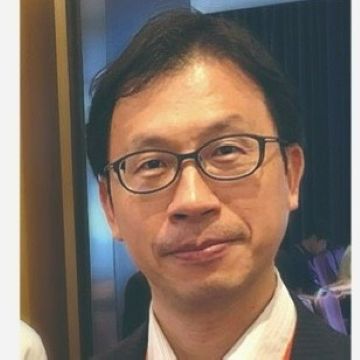
Prof. Chia-Wen WU
吳嘉文教授-國立臺灣大學
Professor, Department of Chemical Engineering, National Taiwan University.
Metal–Organic Frameworks (MOFs), mesoporous and nanoporous materials, heterogeneous catalysis, gas separation and membrane technology, energy materials, photocatalysis, and biomedical applications.
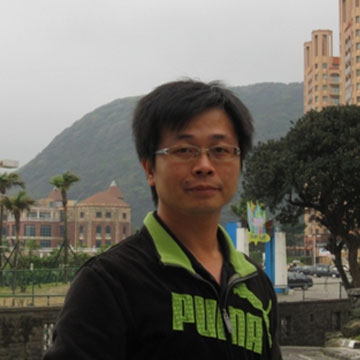
Prof. Jing-Yun WU
吳景雲教授-國立暨南國際大學
Professor& Department Chair, Department of Applied Chemistry, National Chi Nan University.
Expertises Supramolecular inorganic materials / crystallography, Porous coordination polymers (adsorption), Fluorescent coordination materials / metallocages.
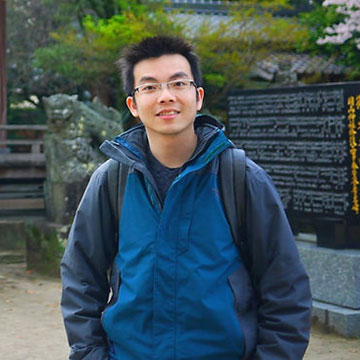
Prof. Tsai-Te LU
魯才德教授-國立清華大學
Professor, Institute of Biomedical Engineering, National Tsing Hua University.
Expertises Bioinorganic chemistry / metal biology, Metal-based nanomedicine, Biomaterials / bioinorganic engineering.
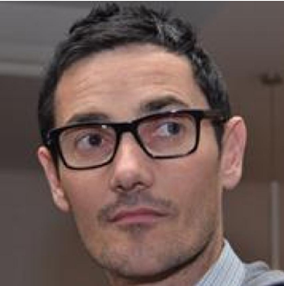
Prof. Christian DOONAN
Professor, School of Physics, Chemistry and Earth Sciences, The University of Adelaide.
Metal–Organic Frameworks (MOFs), porous materials, catalysis and reaction mechanisms, gas storage and separation, and biomolecule encapsulation.
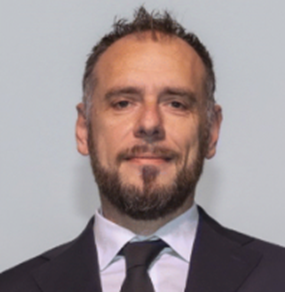
Prof. Paolo FALCARO
Professor, Institute of Physical and Theoretical Chemistry, Graz University of Technology.
Metal–Organic Frameworks (MOFs), porous and mesoporous materials, self-assembly and sol–gel synthesis, MOF thin films and device fabrication, and functional materials for sensing, environmental remediation, and biotechnology.
Prof. Shunsuke TANAKA
Professor, Faculty of Environmental and Urban Engineering, Department of Chemical, Energy and Environmental Engineering, Kansai University.
Separation engineering, adsorption and membrane separation, gas separation and hydrogen purification, carbon dioxide capture and utilization, porous and nanoporous materials (including Metal–Organic Frameworks (MOFs) and zeolites), and functional materials for environmental and energy applications.
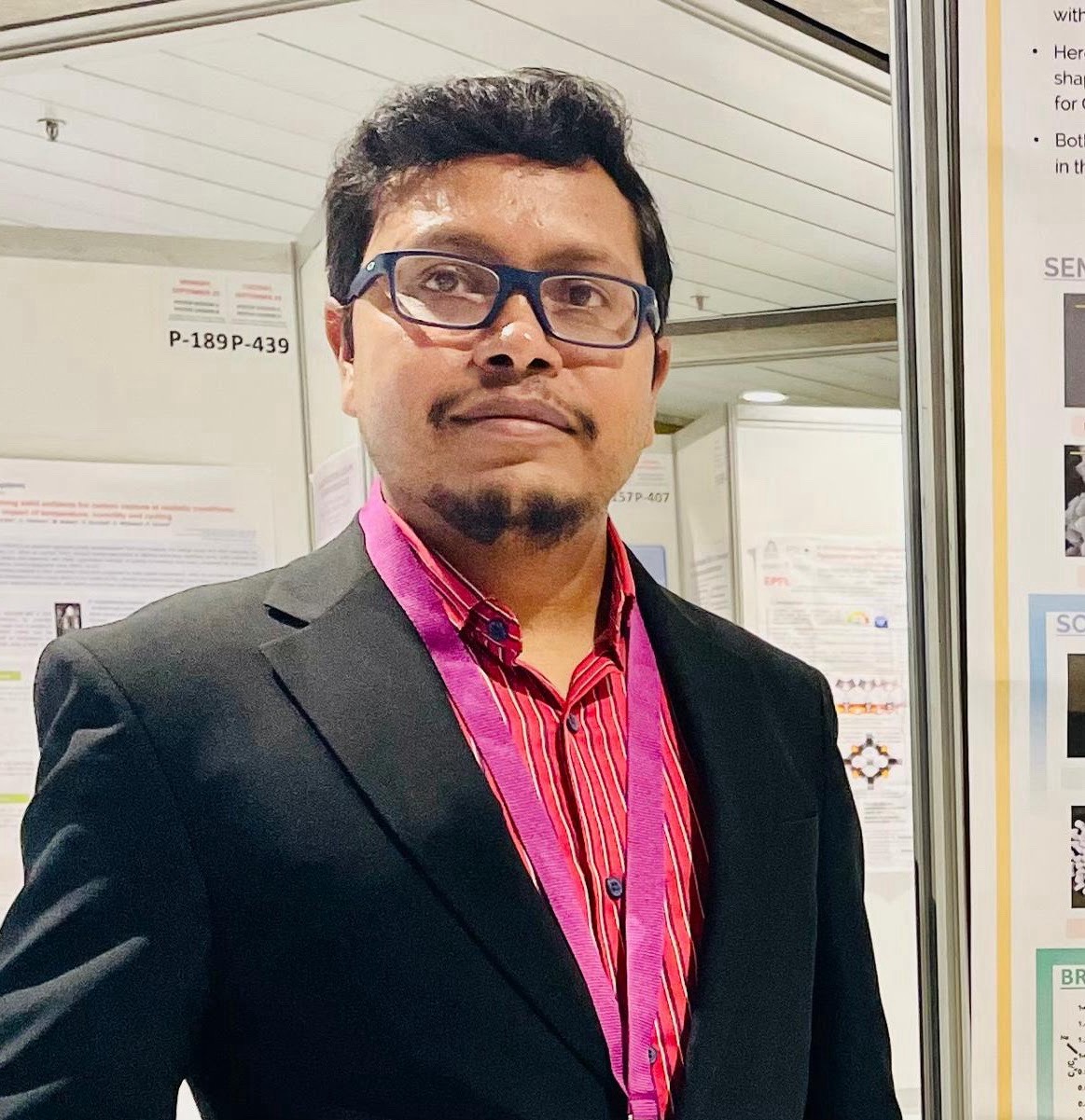
Prof. Arijit MALLICK
Assistant Professor, School of Environmental Sciences, Jawaharlal Nehru University.
Carbon Capture and Storage (CCS), Direct Air Capture (DAC) technologies, Hazardous Small Molecules Sensing, Atmospheric Water Generation, Green Chemical Processes, MOFs/COFs for Hydrocarbon Separation.
Prof. Tomoko INOSE
Associate Professor, The Hakubi Center / Institute for Integrated Cell‑Material Sciences (iCeMS), Kyoto University.
Photo chemistry, Surface chemistry, Single‑cell/single‑molecule analysis, Nanotechnology and nanomaterials interfaces, Nanoparticles and microscopy techniques such as surface‑enhanced Raman spectroscopy and scanning probe microscopy.
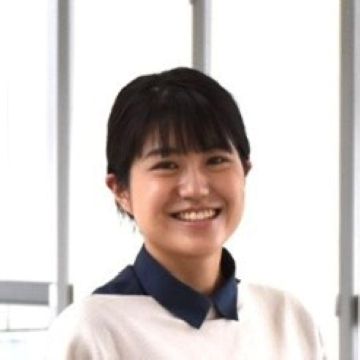
Prof. Ami NISHIJIMA
Assistant Professor, Department of Applied Chemistry, Graduate School of Engineering, The University of Tokyo.
Metal–organic frameworks (MOFs) and porous materials, Nanoconfinement strategies for polymer networks, MOF‑templated polymer synthesis, Supramolecular and coordination chemistry for functional nanomaterials.
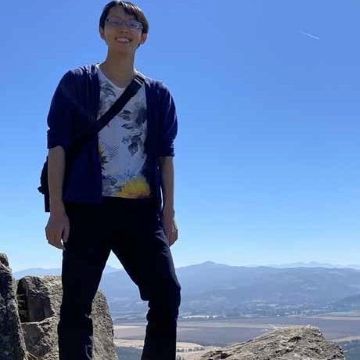
Prof. Kentaro KADOTA
Assistant Professor, Department of Chemistry, Graduate School of Science, Kyoto University.
inorganic and coordination chemistry; solid‑state chemistry; coordination polymers and metal‑organic frameworks (MOFs), including the conversion of carbon dioxide (CO₂) into porous MOF materials and related functional materials for gas adsorption and utilization.
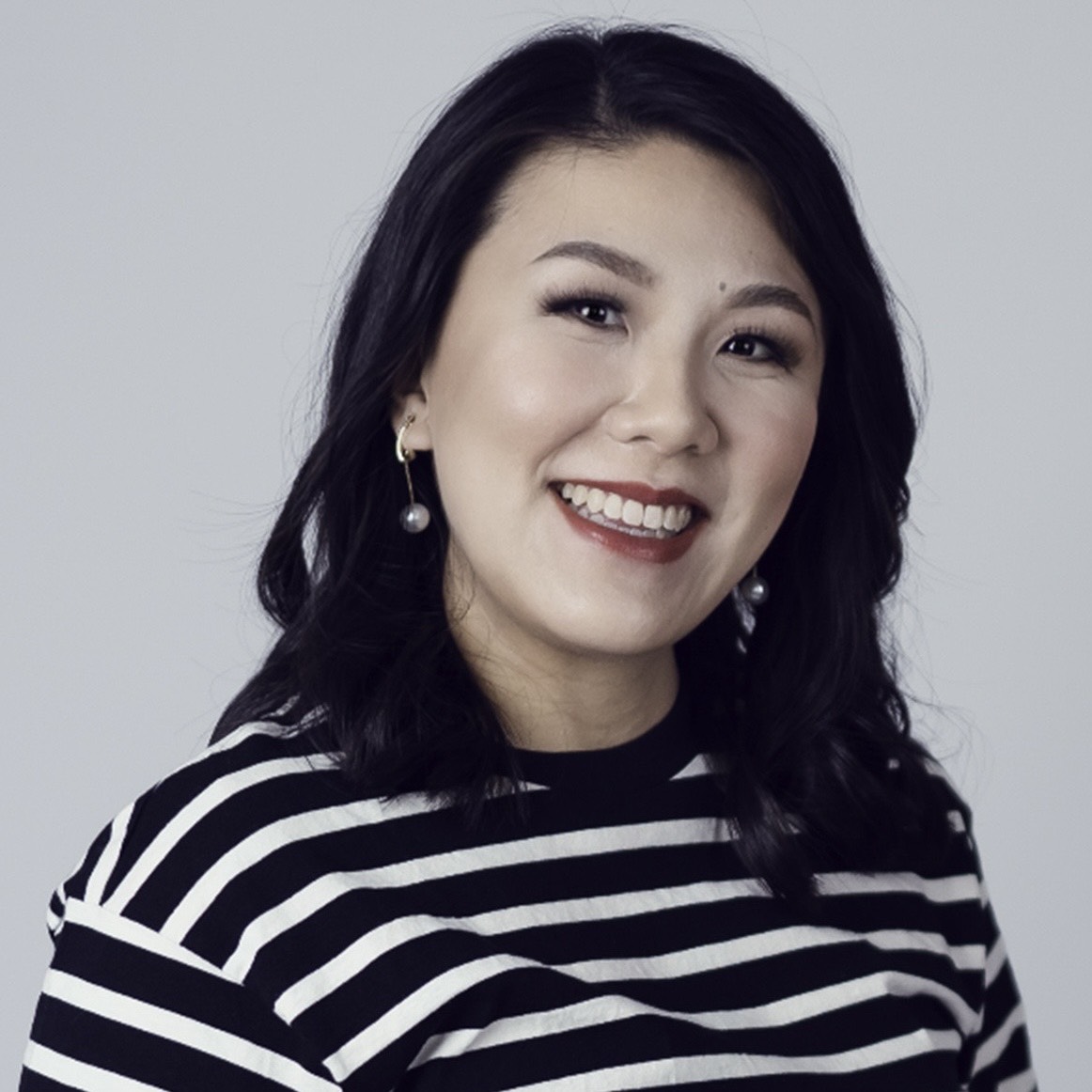
Prof. Pamela Berilyn SO
蘇穎穎教授 - 高雄醫學大學
Assistant Professor, Department of Fragrance and Cosmetic Science, Kaohsiung Medical University.
Metal–Organic Frameworks (MOFs)、Porous Materials、MOF–Polymer Composites、Drug Delivery、Sensors & Analytical Chemistry、Functional Materials.
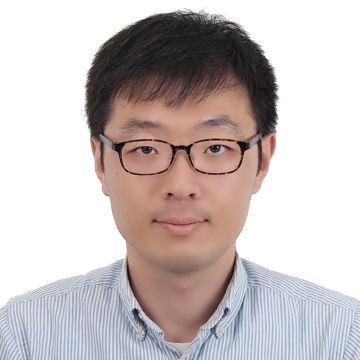
Prof. In-Hyeok PARK
Associate Professor, Graduate School of Analytical Science and Technology (GRAST), Chungnam National University, Daejeon, South Korea.
Crystalline organic–inorganic hybrid materials, metal–organic frameworks (MOFs), supramolecular chemistry, coordination polymers, hybrid perovskites, and functional inorganic/organic materials for structural and solid‑state chemistry applications.
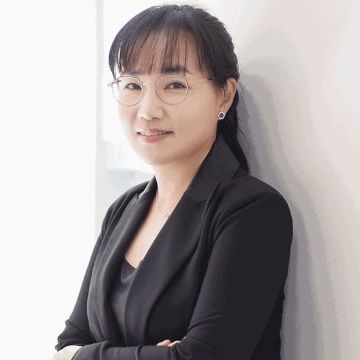
Prof. Hoi Ri MOON
Professor, Department of Chemistry and Nanoscience, Ewha Womans University, South Korea.
Organic and physical chemistry, supramolecular chemistry, self‑assembly and functional molecular systems, nanostructured materials and molecular nanoscience (research themes typical of his publications listed on Google Scholar)
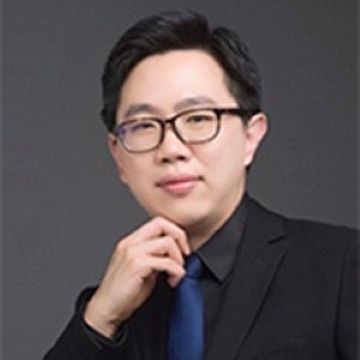
Prof. Andrew SUE
Professor, College of Chemistry and Chemical Engineering, Xiamen University, China.
Supramolecular and macrocyclic chemistry; coordination‑driven self‑assembly; molecular cages; dynamic stereochemistry; design, synthesis, and characterization of functional molecular architectures involving covalent and non‑covalent interactions.
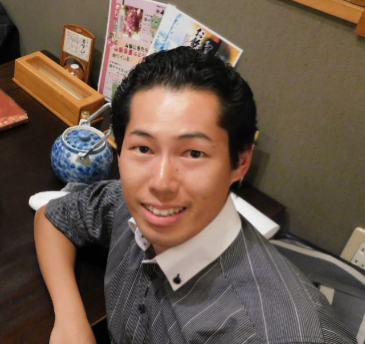
Prof. Hiroyasu TABE
Associate Professor, Department of Integrated Chemistry, Kyoto University, Japan.
Coordination polymers and porous materials, cyano-bridged metal complexes, heterogeneous (photo-/electro-) catalysis, CO₂ reduction, water oxidation, and functional metal–organic materials for energy conversion.
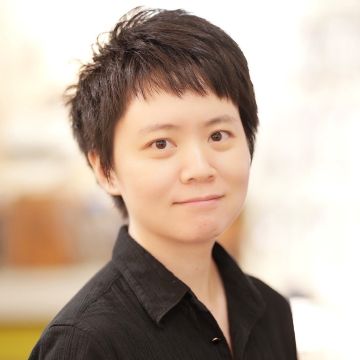
Dr. Orion SHIH
施怡之博士-國家同步輻射研究中心
Associate Researcher, Soft Matter Science Group, National Synchrotron Radiation Research Center (NSRRC), Taiwan.
Small‑angle X‑ray scattering (SAXS) of biological macromolecules, Solution structure analysis of proteins and biomolecules, Molecular dynamics simulations, Synchrotron beamline science for biological soft matter.
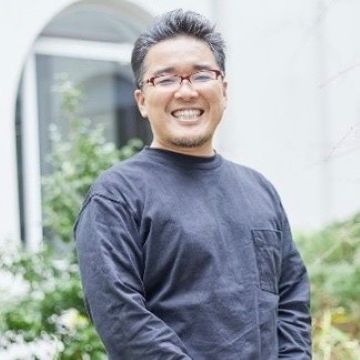
Prof. Shuhei FURUKAWA
Professor, Institute for Integrated Cell‑Material Sciences (iCeMS), Kyoto University, Japan.
Molecular assemblies and coordination chemistry, Design and fabrication of mesoscopic materials, Functional materials for cell biology and electronics.
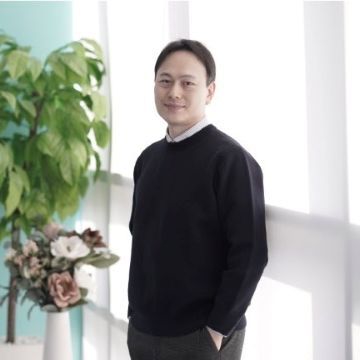
Prof. Hyunchul OH
Professor, Department of Chemistry, Ulsan National Institute of Science and Technology (UNIST), South Korea.
Efficient energy carrier storage, greenhouse gas capture, quantum sieving for cost-effective light gas isotope separation, novel H₂ boil-off mitigation technology for liquid hydrogen storage and transportation, magnetocaloric effect (MCE) of MOFs for LH₂ production.
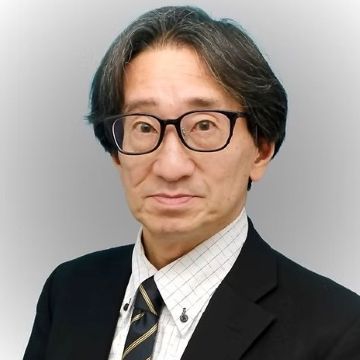
Prof. Eiji YASHIMA
Distinguished Chair Professor, Department of Chemical Engineering, National Tsing Hua University (NTHU), Taiwan.
Polymer chemistry, supramolecular chemistry, chiral materials, chromatographic separation of chiral molecules and drugs, asymmetric catalysis, chiral sensors, chiroptical materials.
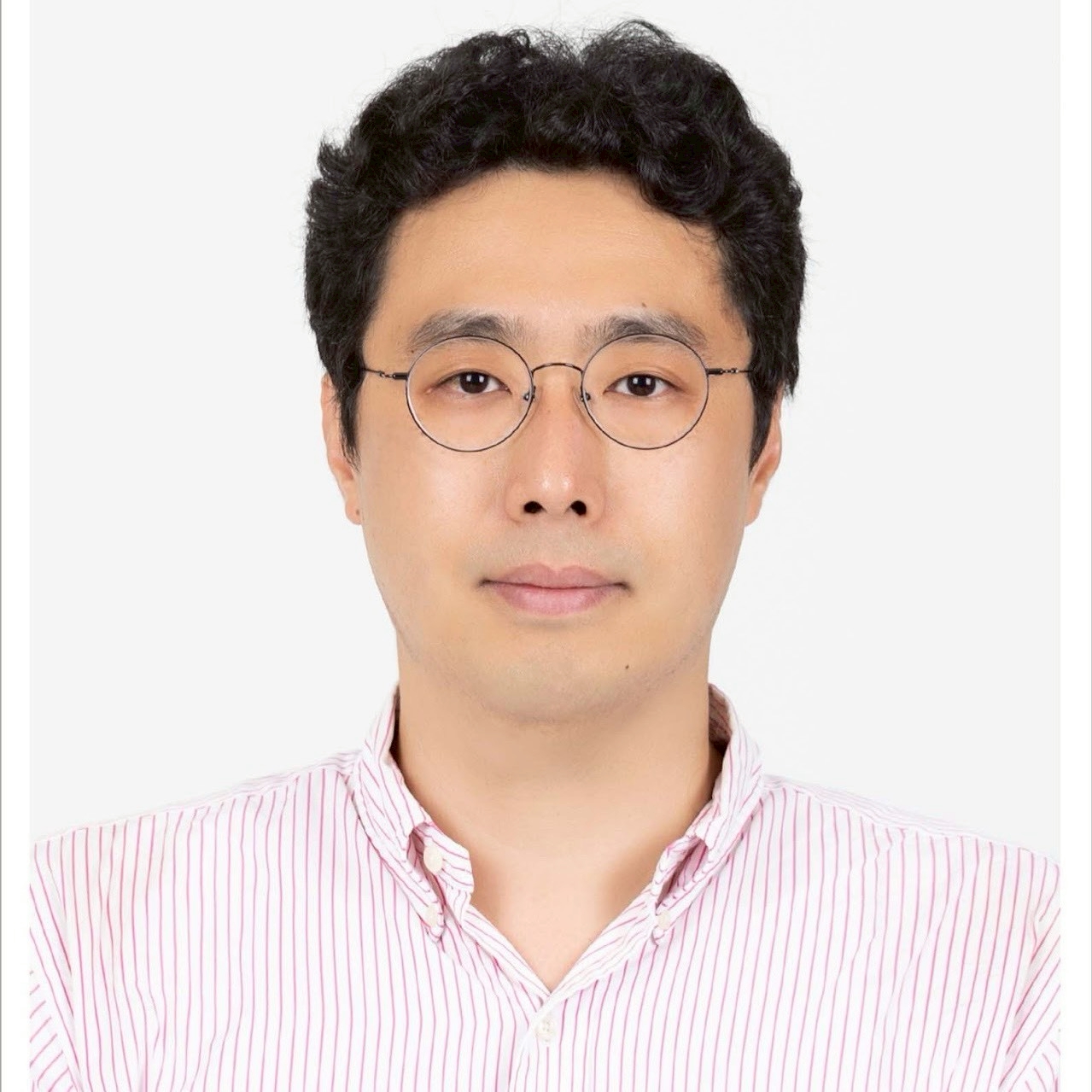
Prof. Minyoung YOON
Associate Professor, Department of Chemistry, Kyungpook National University.
Metal–organic frameworks (MOFs) for catalysis; porous carbon materials for electrodes and gas separation; gas storage and separation (CO₂, H₂); and ion-conducting materials.
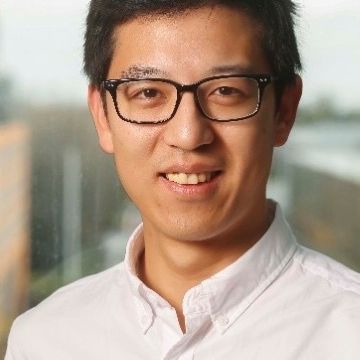
Prof. Kang LIANG
Professor, School of Chemical Engineering, University of New South Wales (UNSW Sydney), Australia.
Interfacial engineering of nanostructured materials, nano–micro–bio systems, biomimetic and biomineralization-inspired materials, metal–organic frameworks (MOFs) and porous materials, nano-biointerfaces, nanobiohybrids, and biocatalysis.
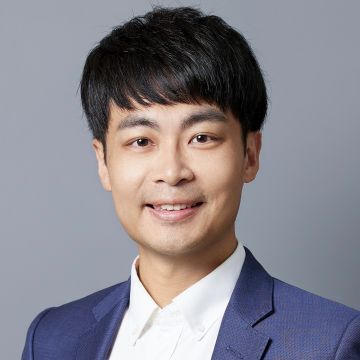
Prof. Ho-Hsiu CHOU
周鶴修教授-國立清華大學
Assistant Professor, Institute of Analytical and Environmental Sciences, National Tsing Hua University.
Soft functional materials, conjugated polymers, organic semiconductors, electronic skin and stretchable devices, biomimetic energy systems, and artificial photosynthesis for hydrogen evolution and carbon dioxide reduction.
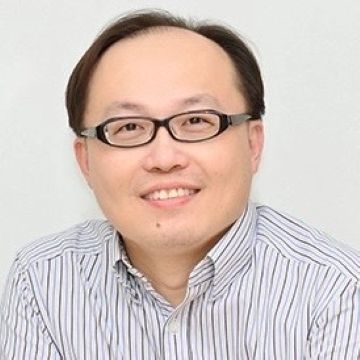
Dr. Ming-Hsi CHIANG
江明錫副所長-中央研究院化學研究所
Deputy Director and Distinguished Research Fellow, Institute of Chemistry, Academia Sinica, Taiwan.
Bioinorganic chemistry, biomimetic catalysis, transition metal complexes, hydrogen production catalysis, and mechanistic studies of metalloenzymes.
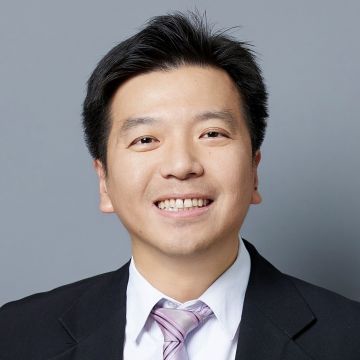
Prof. De-Hao TSAI
蔡德豪教授-國立清華大學
Associate Professor, Department of Chemical Engineering, National Tsing Hua University.
Colloid and interface science, aerosol technology, nanomaterial synthesis and characterization, functional nanoparticles, nanocatalysts for energy and environmental applications, and surface chemistry of nanomaterials.
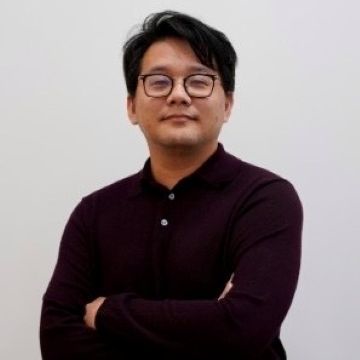
Prof. Po-Jung HUANG
黃柏榮教授-國立中央大學
Associate Professor, Department of Chemical and Materials Engineering, National Central University, Taiwan.
Polymer materials, hydrogels, covalent and metal–organic frameworks (COFs/MOFs), microfluidic sensing, nanomaterials for environmental and energy applications, plastic waste recycling, and carbon dioxide capture and conversion.
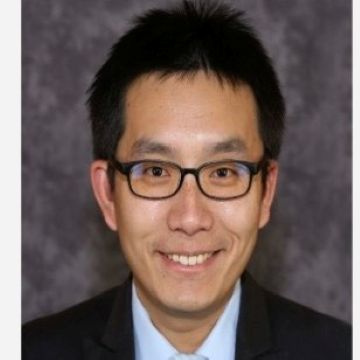
Prof. Li-Chiang LIN
林立強教授-國立臺灣大學
Professor, Department of Chemical Engineering, National Taiwan University, Taiwan.
Nanoporous materials; metal–organic frameworks (MOFs); molecular simulations and machine learning; gas separation and carbon capture; water desalination; energy- and environment-related materials.
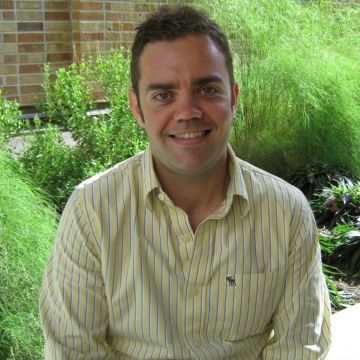
Prof. Simon HUMPHREY
Professor, Department of Chemistry, The University of Texas at Austin.
Phosphine-based Metal–Organic Frameworks (MOFs), porous coordination materials, gas storage and separation, molecular sensing, post-synthetic modification, noble metal nanoparticles, alloy and core–shell nanocrystals, microwave-assisted synthesis, and heterogeneous catalysis.
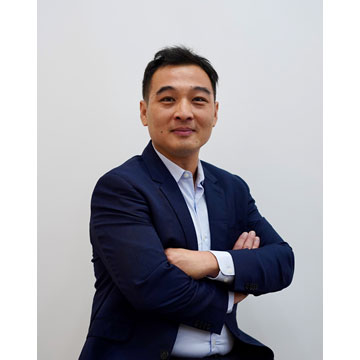
Prof. Bor-Kae CHANG
張博凱教授-國立中央大學
Professor, Department of Chemical and Materials Engineering, National Central University
Expertises MOFs/ porous materials, Gas adsorption / separation, Computational modeling